Counseling Intake Form Template: A Guide for Mental Health Professionals
For therapists, counselors, and mental health professionals, the first interaction with a client sets the tone for the entire therapeutic relationship. It's a moment that requires both professionalism and empathy. A well-designed Counseling Intake Form Template is more than just a piece of paperwork; it's the foundational document that ensures you gather necessary information while making clients feel safe and understood from the very start. This guide explores how to leverage a professional template to streamline your practice's onboarding process.
What Exactly Is a Counseling Intake Form?
At its core, a Counseling Intake Form is a comprehensive document used during a client's first session. It serves multiple critical functions: collecting personal and contact details, understanding presenting issues, reviewing mental health history, and establishing informed consent. Think of it as the architectural blueprint for your therapeutic work together. A generic form can feel cold and clinical, but a thoughtfully crafted Mental Health Intake Form Template is designed with the specific language and structure needed for a therapeutic context, helping to build rapport and trust immediately.
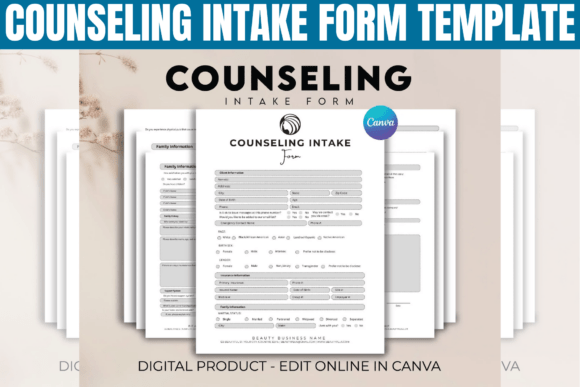
The visual design of this document plays a surprising role. A cluttered, hard-to-read form can create subconscious anxiety. In contrast, a clean, well-organized template with clear headings, ample white space, and a logical flow guides the client through the process smoothly. This isn't about flashy design; it's about functional, empathetic design that prioritizes the user's experience. Using a customizable template ensures your forms have this professional polish without requiring a graphic designer's expertise.
The Core Components of an Effective Intake Form
While every practice has unique needs, most robust Therapist Office Forms share common sections. A quality Counseling Intake Form Template will include editable versions of these, allowing you to tailor the language to your specialty, whether it's couples therapy, child psychology, or trauma counseling.
- Client Information: This section collects essential demographics, contact details, and, crucially, emergency contact information. It establishes the basic administrative record.
- Presenting Issues: This is the heart of the form. It provides structured space for the client to describe, in their own words, what brings them to counseling. Well-designed prompts can help clients articulate their concerns more clearly.
- Relevant History: This includes questions about mental health history, medical background, family history, and social relationships. It provides context for the presenting issues.
- Informed Consent for Counseling and Psychotherapy: This is a non-negotiable section. It outlines the therapeutic process, confidentiality and its limits, session policies, fees, and client rights. A clear, understandable consent form is vital for ethical practice and legal protection.
- Referral Source: Understanding how clients find your practice (e.g., from another professional, an insurance directory, or a web search) is valuable for business and marketing insights.
The power of a template lies in its flexibility. The best resources allow you to add or remove sections and text, ensuring the form aligns perfectly with your theoretical orientation and practice model. You're not locked into a one-size-fits-all document.
Practical Benefits of Using a Customizable Template
Adopting a standardized Mental Health Intake Form Template offers tangible advantages that extend beyond mere organization. It directly impacts your practice's efficiency, professionalism, and client experience.
Efficiency and Consistency: Starting from scratch for each new client is time-consuming. A template provides a consistent, repeatable process. This consistency ensures no critical information is missed and makes reviewing past notes more straightforward. For solo practitioners and group practices alike, this standardization is a cornerstone of good practice management.
Enhanced Professionalism and Brand Identity: Your forms are an extension of your brand. A polished, well-designed document communicates competence and care. With a customizable template, you can easily drag and drop your logo and modify colors to match your practice's aesthetic. This subtle branding reinforces your professional identity and creates a cohesive experience across your website, office decor, and paperwork.
Improved Client Onboarding: The intake process can be daunting for clients. A clear, easy-to-navigate form reduces cognitive load, allowing them to focus on sharing their story rather than deciphering confusing questions. When you can adjust element and text sizes for readability or change font types for a warmer feel, you're actively designing a more welcoming experience.
Integrating Your Forms into a Modern Practice
Today's counseling practice often blends in-person and digital workflows. A versatile Counseling Intake Form Template should support this. After purchasing and customizing your template in a platform like Canva, you can download and print as a PDF for traditional use or use the form digitally. You can email the PDF to clients to complete beforehand or use it within a secure client portal.
This digital adaptability is key. It allows clients to fill out forms at their own pace in the comfort of their home, potentially leading to more thoughtful responses. It also saves valuable session time for therapeutic work. Furthermore, having a digital master template makes it simple to update your forms as your practice evolves or as ethical guidelines are updated.
Choosing the right template is an investment in your practice's infrastructure. Look for one that is editable and comes in common sizes like US Letter (8.5″ x 11″) and A4 to accommodate different printers and regional standards. The goal is to find a tool that simplifies your administrative tasks, so you can dedicate more energy to what truly matters: providing exceptional care to your clients. A solid Informed Consent for Counseling and Psychotherapy document, seamlessly integrated into your intake packet, is the final piece that solidifies a professional and ethical start to the counseling journey.