Interior Design Resume Template CV: Get Hired
In the world of interior design, your portfolio is your calling card, but your resume is the key that unlocks the door to the interview. It’s more than a list of software skills and past employers; it’s a reflection of your personal brand and design sensibility. A generic, text-heavy document simply won’t cut it. This is where a thoughtfully crafted Interior Design Resume Template CV becomes an invaluable tool. It’s not just about listing your experience—it’s about presenting it with the same clarity, style, and intention you bring to a client’s space.
The Anatomy of an Effective Design CV
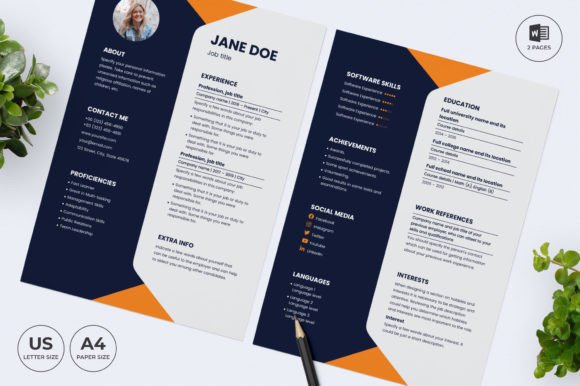
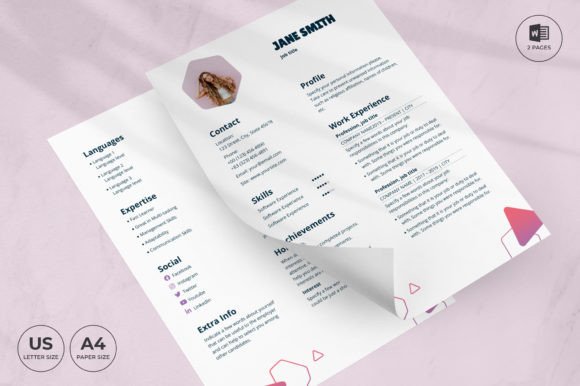
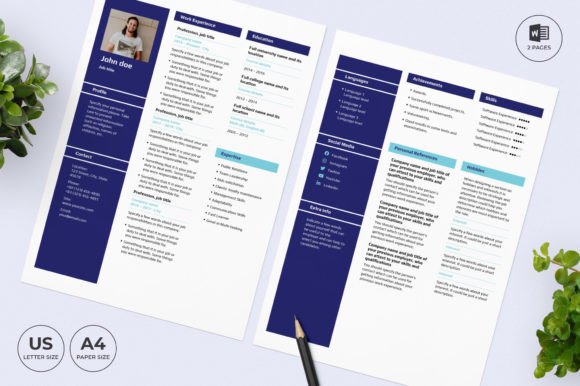
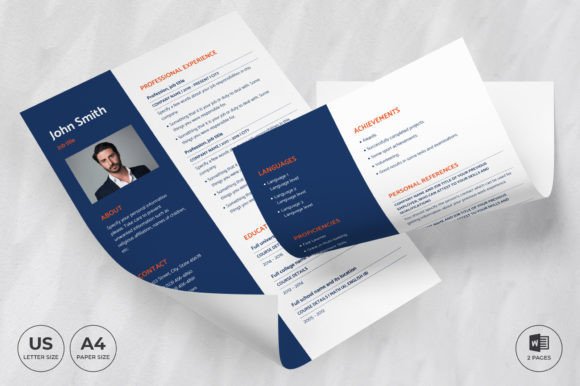
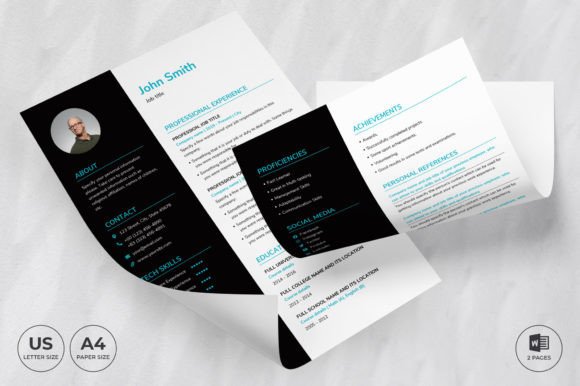
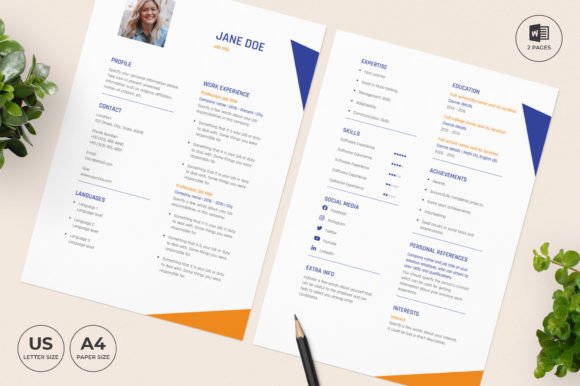
What makes a resume template truly work for a creative professional? It starts with a clean, modern layout that prioritizes readability without sacrificing visual interest. Think of it as a well-designed room: every element has a purpose and a place. The typography, spacing, and use of color should guide the employer's eye naturally from your name and contact information, through your professional summary, to your key skills and project experience. A strong Interior Design Resume Template CV uses a grid system to create order and balance, ensuring the document looks polished and professional whether viewed on a screen or printed out.
The personality of such a template is confident and organized. It might use a sophisticated serif font for headings to convey tradition and reliability, paired with a clean sans serif font for body text to ensure effortless readability. Subtle use of color in section dividers or icons can add a touch of personality without becoming distracting. The goal is to create a brand identity for yourself on the page—one that says you are detail-oriented, professional, and have a keen aesthetic sense. This isn't about flashy display font choices; it's about modern typography that supports clear communication.
Beyond the Template: Customization for Your Unique Brand
A template is a starting point, not a cage. The real power lies in how you customize it to tell your unique story. A well-built Interior Design Resume Template CV is fully editable. This means you can adjust every element to align with your personal brand. Are you a minimalist? Mute the color palette and increase the white space. Specializing in bold, eclectic spaces? You might introduce a more vibrant accent color or a slightly more distinctive typeface for your name.
Practical customization goes deeper than color. You can and should rework the sections. Do you have a strong list of design certifications or software proficiencies? Make that section more prominent. Perhaps you want to integrate a small, curated gallery of project thumbnails directly into the resume for a digital submission. The flexibility to add, remove, or resize sections is critical. This process of tailoring ensures your CV isn’t just another piece of paper in a stack, but a design asset that actively works for you, making your name memorable and your qualifications clear.
Practical Application for the Modern Creative Professional
Where does this tailored CV work best? The applications are broad, extending far beyond just emailing a PDF to a firm. A consistent, professional resume is a cornerstone of your brand identity across all platforms. Use it as the basis for your LinkedIn profile summary. Adapt the layout and font pairing for your portfolio website’s about page. The visual language you establish in your resume can inform your business cards, proposal documents, and even social media graphics, creating a cohesive and recognizable presence.
When evaluating a template, consider its versatility. Does it come in both US Letter and A4 sizes for international applications? Is the file format (Microsoft Word DOCX) easy for you to edit without advanced design software? Look for templates that use free fonts to avoid future licensing headaches. The best templates provide clear instructions and are built with a logical structure that makes customization intuitive, even if you’re not a tech expert. Ultimately, your resume should work as hard as you do—a silent ambassador that opens doors by clearly communicating your skills, style, and professionalism before you ever walk through them.